
Stiff fingers can make fastening buttons difficult. A painful knee can change how you use the stairs, while swollen wrists may turn a normal workday into a struggle. When joint symptoms keep returning, understanding the cause is an important step towards managing them.
If you are looking for an arthritis care clinic in Indore, a consultation with Dr. Vaibhav Yadav at Kavish Clinic can help you discuss your symptoms and appropriate next steps. Arthritis care begins with identifying the condition, understanding its effect on daily life, and choosing treatment suited to your needs.
Arthritis care involves assessing joint symptoms, establishing a diagnosis, managing pain and inflammation where present, and supporting movement and everyday function.
Arthritis describes several conditions rather than one single disease. Different forms can affect different joints and require different approaches. A useful care plan considers the type of arthritis, symptom severity, other health conditions, and the activities you want to maintain.
Osteoarthritis commonly affects joints such as the knees, hips, hands, and feet. Pain, stiffness, and reduced movement can interfere with ordinary tasks.
Care may include tailored exercise, appropriate pain relief, and practical support for daily activities. Where relevant, weight management can also form part of the plan.
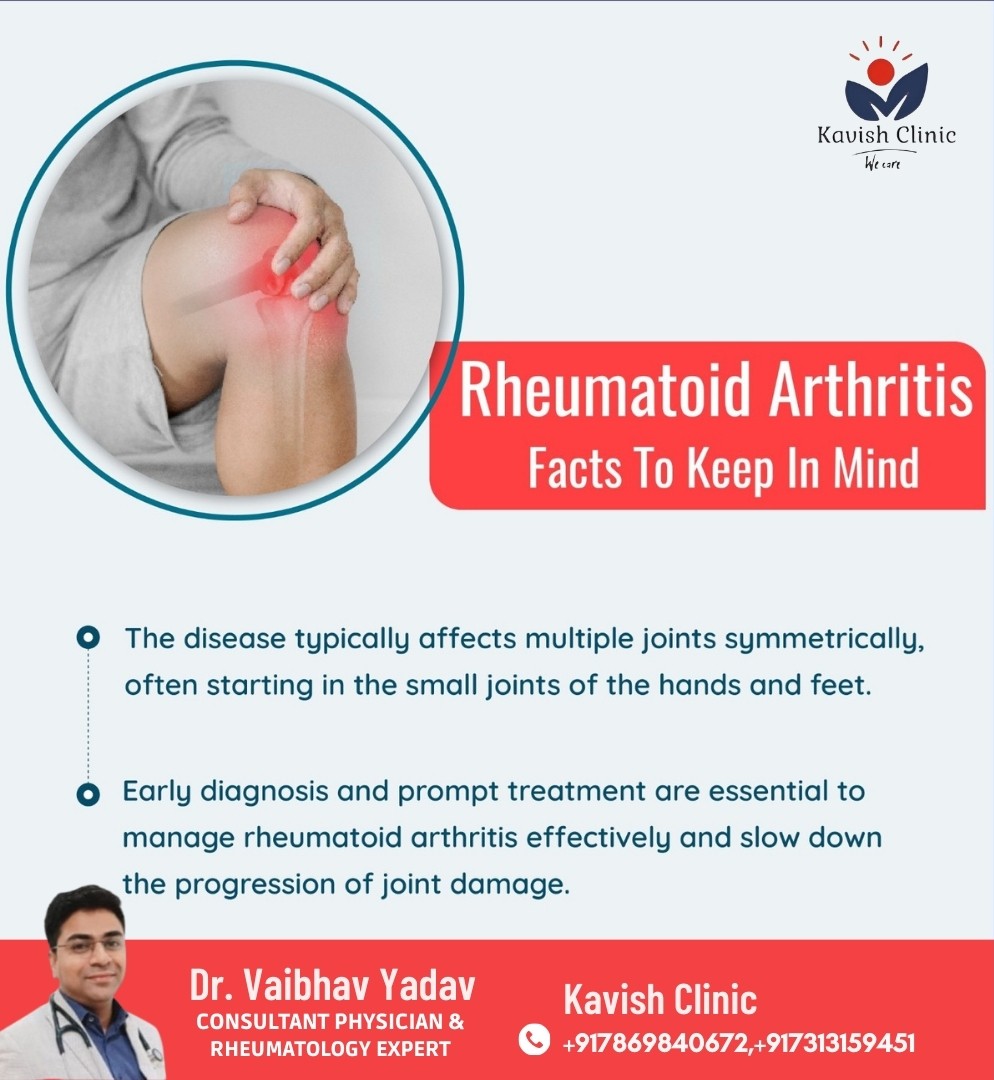
Rheumatoid arthritis is an inflammatory autoimmune condition. It often involves the small joints of the hands and feet and can cause swelling, pain, and stiffness.
Early assessment matters because treatment can help control inflammation and reduce the risk of joint damage. Its management differs from simply treating occasional joint pain.
Gout can cause sudden, intense joint pain and swelling. It often affects the big toe but can involve other joints.
Gout treatment may address both an attack and the risk of future episodes. A clinician interprets symptoms, examination findings, and relevant tests before recommending a plan.
Joint symptoms can also occur with psoriatic arthritis and other inflammatory disorders. Some forms affect younger adults or children.
Mention associated concerns, including skin changes or persistent back stiffness, rather than focusing only on the most painful joint. These details may help guide assessment.
Seek assessment for joint pain, swelling, or stiffness that persists, recurs, or affects your routine. Describe how long morning stiffness lasts and whether several joints are involved.
Persistent swelling in the small joints of the hands or feet deserves prompt attention. Specialist assessment may be appropriate even when initial blood tests are normal.
Avoid waiting for symptoms to become disabling before seeking advice. Early evaluation can clarify whether inflammatory arthritis or another condition needs treatment.
A joint that suddenly becomes severely painful, hot, or swollen needs urgent medical assessment, especially if movement or weight-bearing becomes difficult.
Fever, chills, or feeling generally unwell increases concern, but a joint infection can occur without fever. These symptoms should be checked immediately rather than assumed to be an ordinary arthritis flare or gout attack.
When you consult a rheumatologist in Indore, explain when the symptoms began, which joints are affected, and how the problem has changed.
An assessment may include questions about:
· Visible swelling and morning stiffness.
· Previous attacks or injuries.
· Medicines and earlier treatment.
· Other health conditions.
· Family history.
· Difficulties with work, walking, sleep, or personal care.
The clinician examines the affected joints and considers appropriate investigations. Blood tests and imaging may help, but results must be interpreted alongside the symptoms and examination.
For rheumatoid arthritis, no single blood test can definitively confirm or exclude the diagnosis. A negative rheumatoid factor result does not automatically explain away persistent joint swelling.
For rheumatoid arthritis treatment, disease-modifying medicines may be prescribed to control inflammation and help slow joint damage. These have a different role from medicines used mainly for pain relief.
Some medicines require regular blood tests or other monitoring. Ask what each treatment is intended to do, when its effect will be reviewed, and which side effects need reporting.
Treatment choices should be made with the treating clinician and adjusted according to response and safety.
Exercise for arthritis should suit the diagnosis and current condition of the joints. For osteoarthritis, strengthening and general fitness activities are important parts of care.
A physiotherapist can help adapt activity when pain, weakness, or reduced movement makes exercise difficult. Discuss how the programme should change during a flare or recovery period rather than following a demanding routine without guidance.
Practical goals help make care meaningful. You may want to walk to a nearby shop, hold kitchen utensils comfortably, or complete a work shift with fewer difficulties.
Discuss tasks that are becoming harder. Physiotherapy, occupational therapy, or suitable aids may help some people manage everyday activities more comfortably.
An arthritis management plan should include a way to review progress. Pain levels matter, but so do swelling, stiffness, mobility, and your ability to manage daily activities.
Before a review, note what has improved and what remains difficult. Mention side effects, missed doses, or trouble obtaining medicines.
Ask for clear advice about flare-ups: whom to contact, which symptoms require earlier assessment, and how to follow any agreed treatment instructions.
Bring a list of questions. A short note prepared at home can make it easier to discuss concerns that might otherwise be forgotten.
When arranging arthritis treatment in Indore, bring previous prescriptions, test reports, imaging, and a list of medicines and supplements.
If swelling comes and goes, dated photographs may help you explain the pattern. Note important dates, such as when symptoms started or a new treatment began.
For people living in Indore or travelling from elsewhere in Madhya Pradesh, confirm appointment availability and follow-up arrangements before planning the visit. Ask whether any existing reports should be brought in their original form.
Improvement can mean different things to different people. For one person, it is easier movement in the morning. For another, it is being able to write, cook, or walk more comfortably.
Choose a few specific goals to discuss with your clinician. These provide useful reference points during follow-up and keep the conversation centred on what matters in your routine.
If progress is slower than expected, raise that concern. Understanding the next review point is more helpful than guessing whether to change the plan yourself.
No. Arthritis includes conditions that affect younger adults and children as well as older people. Persistent joint swelling or stiffness deserves assessment regardless of age.
Yes. Blood tests support assessment, but no single result can definitively rule rheumatoid arthritis in or out. Persistent symptoms and examination findings remain important.
Discuss any change with your treating clinician. Improvement may reflect the treatment working, and some conditions need ongoing disease control. Report side effects or concerns promptly so you can receive appropriate instructions.
Often, yes, with suitable guidance. The type, intensity, and timing should reflect the diagnosis, symptoms, and physical abilities. Ask how to adapt activity during a flare and seek urgent assessment for a suddenly hot, severely painful joint.
Many common forms, including osteoarthritis and rheumatoid arthritis, are long-term conditions. Treatment can improve symptoms and function, while rheumatoid arthritis medicines can help reduce joint damage. Discuss realistic goals for your particular diagnosis.
If you are seeking an arthritis care clinic in Indore, contact Dr. Vaibhav Yadav at Kavish Clinic to discuss persistent joint pain, stiffness, or swelling. Bring your medical history and questions to help plan the next steps in your care.
Contact Us Today to Book Your Arthritis Consultation.
Rheumatologist in Indore | Doctor for Psoriatic arthritis Treatment in Indore | Doctor for Hypertension Treatment in Indore | Rheumatology Services In Indore | Rheumatologist For Rheumatoid Arthritis Treatment In Indore | Rheumatologist For Low Backache Treatment In Indore | Rheumatologist For Ankylosing spondylitis Treatment in Indore | Rheumatologist For SLE Treatment In Indore | Rheumatologist For Lupus Nephritis Treatment In Indore | Rheumatologist For Scleroderma Treatment In Indore | Rheumatologist For Psoriatic arthritis Treatment In Indore | Doctor For Fibromyalgia Treatment In Indore | Osteoarthritis Treatment In Indore | Osteoporosis Treatment in Indore | Juvenlice Inflammatory Arthritis Treatment In Indore | Sjogren syndrome Near Me In Indore | Inflammatory myositis Treatment In Indore | Bechets Disease Treatment In Indore | Diabetologist in Indore | Diabetes Treatment Services in Indore | Doctor For Type I Diabetes Treatment In Indore | Doctor For Type II Diabetes Treatment In Indore | Pancreatic Diabetes Treatment In Indore | Pregnancy Inducted Diabetes Treatment In Indore | Doctor For Hypertension Treatment In Indore | Primary Hypertension In Indore | Secondary Hypertension Doctor in Indore | Thyroid Disorders Treatment In Indore | Hypothyroidsm Near Me In Indore | Hyperthyroidism Near Me In Indore | Thyroid in Indore
| Tags: | #Arthritis Care Clinic in Indore |


